
Fe de erratas los datos sobre quienes gastan más en armas son del Banco Mundial
An issue that goes hand in hand with everything that is presented as an incorrigible scenario for the planet, and I say incorrigible because on the planet, despite everything it resists, it is definitely not up to it that its inhabitants are incorrigible in the negative sense of the term.
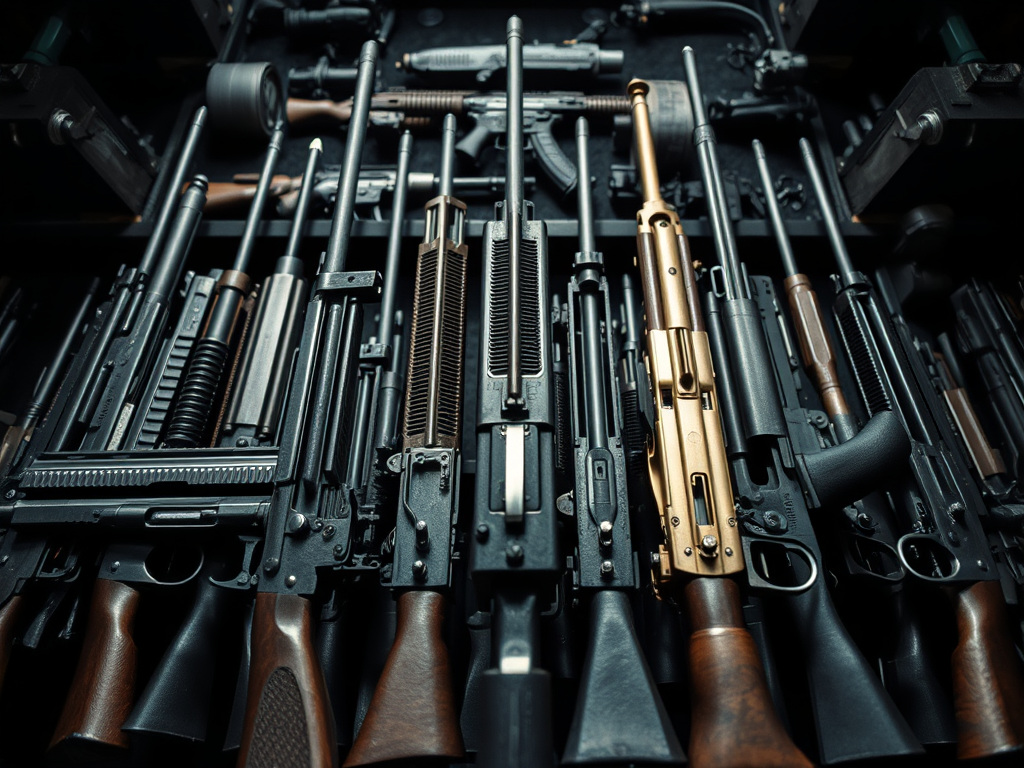
The first issue that jumps into the inbox on your planetary to-do list is the massive use of instruments for the killing of humans, the use of firearms as a powerful and growing industry
Despite what the Stockholm-based Peace Research Institute, SIPRI, announced in its 2023 press release:
Revenue from sales of arms and military services by the 100 largest companies in the sector was $597 billion in 2022, 3.5% less than in 2021 in real terms, despite the fact that demand increased considerably, according to new data published by the Stockholm International Peace Research Institute (SIPRI) available at www.sipri.org. The decline was mainly due to falling arms revenues from major US companies. Revenues rose substantially in Asia, Oceania and the Middle East.
Backlog of orders and rising new contracts suggest that global arms revenues could rise significantly in the coming years. Demand for arms is growing, but production is delayed Russia’s invasion of Ukraine and geopolitical tensions around the world fuelled a sharp increase in demand for arms and military equipment in 2022.
However, despite receiving new orders, many US and European arms companies were unable to significantly increase their production capacity due to labour shortages, rising costs and supply chain disruptions, exacerbated by the war in Ukraine. In addition, countries placed new orders late in the year and the lag between orders and production meant that in 2022 the increase in demand was not reflected in these companies’ revenues.
‘Many arms companies faced obstacles in adapting to the production required by high-intensity warfare,’ says Dr Lucie Béraud-Sudreau, Director of SIPRI’s Military Expenditure and Arms Production Programme. ‘However, new contracts were signed, particularly for ammunition, which could translate into higher revenues from 2023 onwards.’ Unlike major US and European suppliers, companies in Asia, Oceania and the Middle East saw their arms revenues grow significantly in 2022, demonstrating their ability to respond to increased demand in a shorter timeframe.
This was particularly true in countries where companies keep their manufacturing capacity always ready, such as Israel and South Korea, and where companies often rely on short supply chains.
The culture of weapons is called territorial defense against invasion by harmful, aggressive agents and declared terrorists. Given this sign, we definitely think that they are a necessity, but there is an interesting aspect in all this:
The social consequences, it is important to go into some detail on this:
As already noted above, a serious consequence is focused on conflicts arising from displacement: In conflict situations, military spending can lead to massive population displacement, destruction of infrastructure and loss of life, with devastating social consequences. These displacements not only affect those who suffer them directly, but also generate pressures on the communities that receive the displaced, often creating social and economic tensions, discrimination and lack of resources to provide them with shelter, work and acceptable life options in their productive stage.
In addition, it is necessary to highlight the consequences related to Security and Stability: High military spending can improve security and stability, which in turn can have positive effects on society. Something that can be called «apparent security»; however, this depends on how it is managed and on the specific situation of the country. The implementation of efficient military policies can indeed help maintain order, but an excessive focus can cause an environment of distrust between the population and institutions, which in the long run undermines the very peace and security objectives that are sought to be upheld.
Impact on Social Welfare: The diversion of funds to military spending can reduce investment in social programs, negatively affecting the well-being of the population, especially the most vulnerable. This can manifest itself in fewer opportunities for access to education and health, generating inequality and perpetuating cycles of poverty that are difficult to break. In addition, attention to basic needs can be overshadowed by the priority given to militarizing society.
I emphasize something I have already pointed out above regarding the culture that focuses on supporting violence as a necessary act; an excessive focus on militarism can influence the culture and values of a society, promoting a mentality of conflict and competition instead of cooperation and peace. This militarization of culture can be seen in the normalization of violence in the media and in everyday life, affecting younger generations who may grow up with a distorted perception of conflict resolution.
Defining where the largest military budgets are in the world leads us to the data provided on this subject by the World Bank, and one of them is the United States: It has one of the largest military budgets, and at the same time faces challenges in areas such as health and education, where some argue that resources could be better invested, and in educational centers there have been violent scenarios against teachers and their students.
The wide difference between defense spending and social spending highlights the urgent need for a balanced and sustainable approach to guarantee the well-being of all citizens, in addition to considering the diversity of cultures that inhabit that territory…
Colombia, for its part, suffers in its fight against armed groups, but has also generated debates on the need to invest more in social and economic development to address the underlying causes of the conflict. Reconciliation is a complex process that requires not only the deactivation of these armed groups, but also the promotion of economic opportunities and the alleviation of poverty in order to achieve lasting peace.
The scenario for the planet is not easy; it is not anchored in justifications, but in realities that weigh on us and finding solutions is complex.

Debe estar conectado para enviar un comentario.