
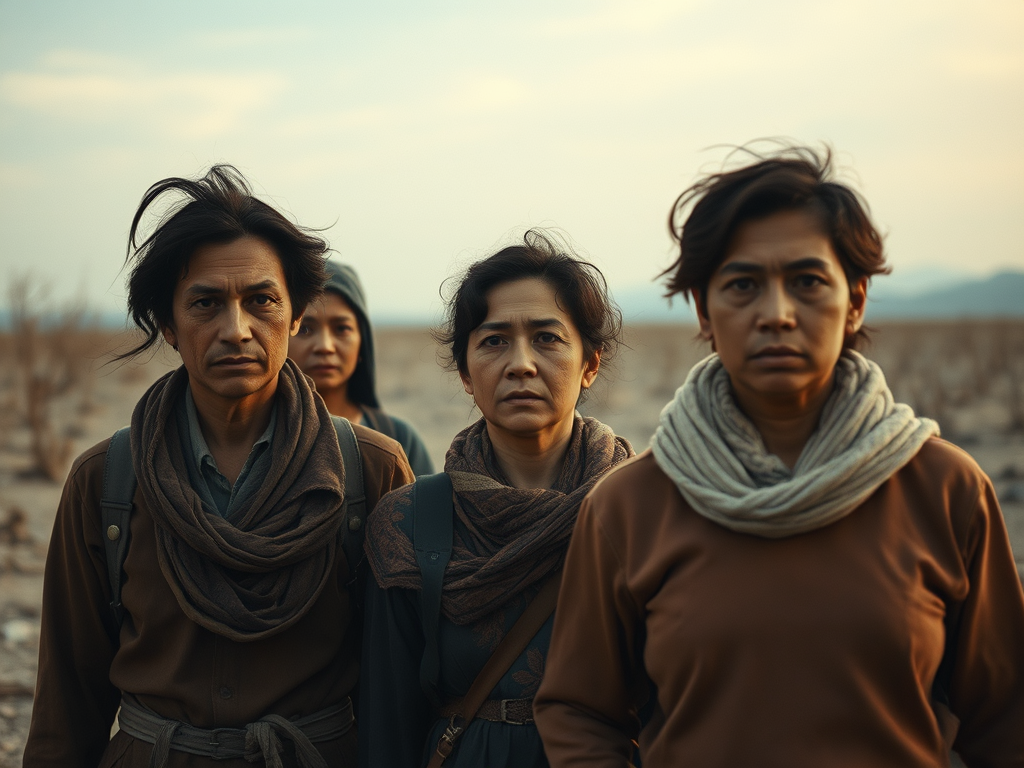
Uprooting is a deeply painful experience that impacts not only physically, but also emotionally and psychologically. This suffering can lead to problems such as anxiety, depression and other psychosomatic disorders, affecting the quality of life of those who suffer from it. People who face this situation often feel a disconnection from their environment, which exacerbates their emotional distress.
It is crucial to recognize and address these difficulties with compassion and understanding, offering support and resources to help them rebuild their lives and strengthen their sense of belonging. In addition, it is essential to foster spaces for dialogue and empathy where they can express their experiences and feelings, since sharing their stories can be a first step towards healing and resilience.
For example, one of the most painful from my perspective is perhaps forced displacement: The expropriation of land, especially in indigenous communities, or the violation of human rights can force people to seek asylum elsewhere, which not only affects their lives and well-being, but also impacts the communities they leave behind, deeply impacting their culture and traditions.
The consequence of these displacements leads to migration and exile: Many people are forced to leave their place of origin due to war, political persecution, famine, or natural disasters, thus facing the difficult decision of leaving behind their families, friends, and everything they have known in search of a safer and more hopeful future.
From there, economic problems arise: The search for better job or educational opportunities can lead people to emigrate to other countries or regions. As I have pointed out, this decision is often driven by the need to access a more dynamic job market, the possibility of obtaining a higher quality education and the hope of improving their quality of life and that of their families, which often motivates people to leave their home in search of a more promising future. What I have called above “The greenest garden.”
Usually, another culture and another language are not always adequately handled in various aspects and the difficulty in adapting to a new culture, language or social environment can generate feelings of loneliness, longing and frustration. This adaptation process can be complex and involves not only learning new norms and values, but also creating new personal connections and managing the expectations one has about the new life in an unknown place. The lack of familiarity can intensify the culture shock, which in turn affects the emotional and mental health of individuals during this transition period.
The separation of parents, whether due to death, work or divorce, can cause a deep feeling of uprooting in individuals, since this situation not only impacts their emotional well-being, but can also affect their interpersonal relationships and personal development over time.

We are currently, in this year 08 for the Asgardians and 2024 in the Gregorian calendar, 8.2 billion humans. Achieving the optimal for each social group, for each family or nation is very complex, it is true.
Preponderating the essential over the superfluous invalidates us, we need both aspects to closely comply with the foundations that allow us a full and satisfactory life, returning to the integral vision of the tree as a social concept, that I have been write in another book, it is easy to understand that its flowers, fruits and leaves, perishable or not, are part of its essence.
Foto del planeta de Google Earth

2 respuestas a “Let’s delve into aspects such as uprooting (6)”
Me gustaMe gusta
Teofilo no está usted hablando de mi post, le agradezco que ponga en bandeja su material para seguirlo, no sé qué pensar de los infieles de parejas, no tengo y no busco pareja y depende de cada pareja y su circunstancia el mirar al jardín de enfrente sin medir consecuencias o pese a ellas, Saludos.
Me gustaLe gusta a 1 persona