
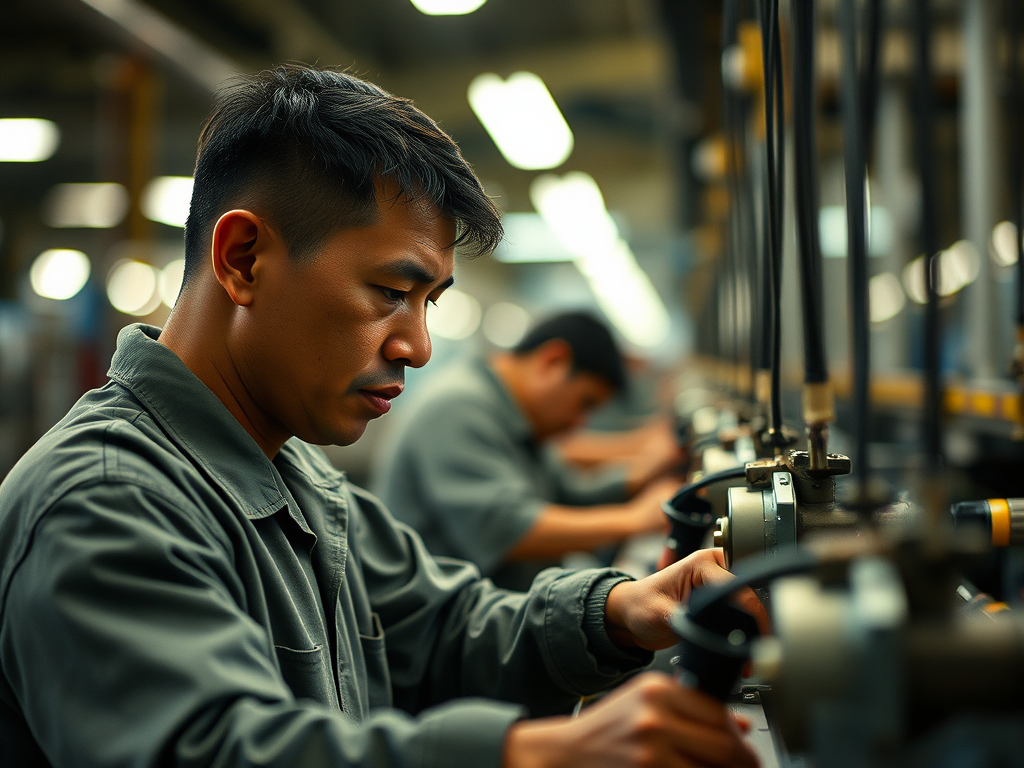
It is definitely very difficult for us to learn a technique if we do not practice it, in the same way that all those activities that we have been culturally taught are easily learned and sometimes replicated without question in their veracity or validity for the current era and it is very complicated that once we have learned something, we see ourselves in the capacity to innovate, taking into account that all of these shape and design the lives of individuals on the planet.
Thus, certain practices that were useful in tribal and isolated societies are now repeated and if the planet itself had the capacity to qualify us in the qualities that are propitious and beneficial to it, we would not have a humanistic and ecologically healthy degree.
We are the world we have created, of course, a refreshing air is useful to all of us in places where summers are very harsh, it is useful to take a plane when necessary, digital media allow us to perform routine tasks with agility.
In all of this there is a vast range of actions that are preponderant in providing work for the inhabitants of each of the areas that build our civilization.
Here is a list of tasks that are repetitive and that at the same time provide sustenance to many families, just a few:
Assembly line operators: They work in factories assembling products, performing the same tasks over and over again.
Supermarket cashiers: They scan products and handle transactions continuously.
Agricultural workers: They perform repetitive tasks such as picking fruits and vegetables.
Machine operators: They operate machines in factories, performing constantly repetitive operations.
Slaughterhouse and cutting room workers: They process meat in a mass production environment.
Construction workers: They perform repetitive tasks such as painting, laying tiles or working with plaster.
Call center workers: They answer calls and perform administrative tasks that are truly repetitive.
Packers: They package products in factories or warehouses.
These jobs, although essential, can be physically demanding and lead to health problems such as musculoskeletal disorders due to the repetitive nature of the tasks.
Work tasks with movements that are repetitive are very common in work environments, such as in production lines and repair shops, and are also found in many modern industries. However, it is important to recognize that this can lead to physical and emotional disorders, affecting the health and well-being of workers. These conditions have become one of the main causes of work-related illness and injuries, which reminds us of the need to take care of our bodies and look for solutions that promote a healthier work environment.
Most humans have aspirations to improve their lives and organize their journeys based on goals, many of which come late and when they can free themselves from a routine job through which they perceived what was necessary for their life and retirement, then they begin to look at what is around them.
In other areas, allies, commitments and loyalty that is collaborative appear; These are the changemakers, those who see what needs to be removed from the equation to make things better. These individuals, motivated by their deep desire for progress, seek to foster an environment in which innovation and imagination can flourish, taking into account the different perspectives and experiences of all involved, allowing them to form strong and lasting coalitions.
Through mutual cooperation and the exchange of ideas, they manage to identify not only the obstacles that need to be overcome, but also the opportunities that can arise from working together, thus cultivating an environment in which everyone feels inspired to actively participate in the search for a brighter and more equitable future.

Debe estar conectado para enviar un comentario.